
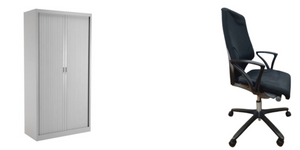
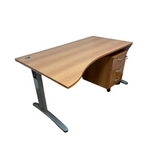


The biggest difference between commercial and domestic furniture lies in build quality.
Commercial Office Furniture
- Heavy-duty frames and components
- Higher-grade materials
- Tested for durability and safety
- Designed for long-term, high-frequency use
Domestic Office Furniture
- Lightweight construction
- Lower-cost materials (often MDF or thin metals)
- Limited durability under daily use
- More prone to wear and instability over time
This is why cheaper, domestic desks and chairs often need replacing far sooner — making them less cost-effective in the long run.
Why Brands Matter More Than You Think
In the commercial office furniture world, brands are a strong indicator of quality.
Manufacturers such as Steelcase, Herman Miller, Orangebox, and Senator design furniture specifically for workplace environments. Their products go through rigorous testing and are built with ergonomics, longevity, and performance in mind.
This is particularly important when buying second-hand furniture . A used chair from a premium commercial brand will almost always outperform a brand-new budget chair designed for home use.
Understanding brands helps buyers make more informed decisions — and avoid false economies.
Ergonomics: Not Just a Buzzword
Another area where buyers often get it wrong is ergonomics.
Commercial used office chairs are designed to:
- Support proper posture over long periods
- Offer multiple adjustment points
- Reduce strain on the back, neck, and shoulders
Domestic chairs may look similar but often lack the same level of adjustability and support.
For businesses, this isn’t just about comfort — it directly impacts employee wellbeing, productivity, and even absenteeism.
The Real Cost: Cheap Now, Expensive Later
At first glance, domestic office furniture may appear to be the more affordable option.
However, when you factor in:
- Shorter lifespan
- Reduced comfort and productivity
- Higher replacement frequency
…it often ends up costing more over time.
In contrast, commercial office furniture — especially when bought second-hand — offers significantly better long-term value.
Businesses can access premium, durable furniture at a fraction of the original cost, without sacrificing performance or reliability.
Why Second-Hand Commercial Furniture Is a Smart Choice
This is where many businesses are starting to rethink their approach.
Second-hand office furniture provides:
- Proven durability
- High-end design and ergonomics
- Immediate availability
- Significant cost savings
Rather than buying lower-quality new furniture, businesses can invest in well-built, pre-owned pieces that are designed to last.
It’s a practical, sustainable, and financially smart solution.
Final Thoughts
The difference between commercial and domestic office furniture isn’t always obvious — but it’s incredibly important.
What many buyers get wrong is focusing on appearance and upfront cost, rather than build quality, ergonomics, and long-term value.
For businesses looking to create a professional, durable, and cost-effective workspace, commercial-grade furniture — particularly second-hand — is often the better choice.
Understanding this distinction can help you make smarter purchasing decisions and avoid costly mistakes.